The following list of scientists, software engineers and instrument technicans are serving as mentors for the 2026 ARM Big Open Data Summer School:
| Instructor | Affiliation | Project Lead | Links |
|---|---|---|---|
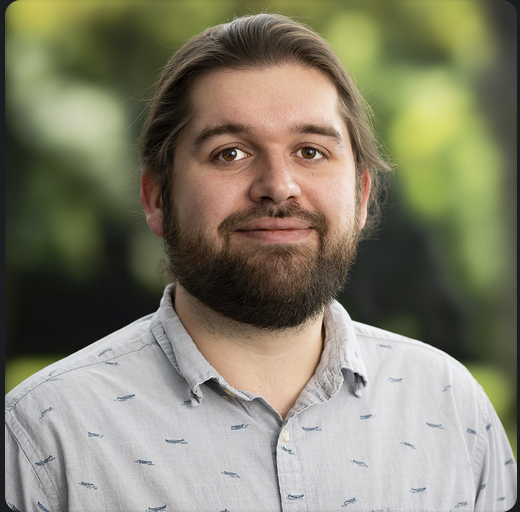
| Joe O’Brien | Argonne National Laboratory | TBD | Professional Website Github Link |
Dr. Joseph (Joe) O’Brien is an Atmospheric Scientist Software Specialist working for the Geospatial Computing, Innovations, and Sensing department within the Environmental Science Division at Argonne National Laboratory. Joe’s career has been marked by extensive field research across the world studying in-situ observations of cloud and precipitation processes, from atmospheric rivers in Seattle to aerosol-cloud interactions within Southern Atlantic marine stratocumulus. Along with the specific research questions associated with each project, Joe’s research has focused on the observational limitations and uncertainty associated with in-situ cloud microphysical instrumentation on-board instrumented research aircraft. Joe’s current research is focused on development of the Python ARM Radar Toolkit (Py-ART) and associated radar products in the support of the Department of Energy’s Atmospheric Radiation Measurement (ARM) field experiments, development of the Chicago micro-net in support for the Department of Energy’s CROCUS Urban Integrated Field Laboratory, and support for the Atmospheric Radiation Measurement (ARM) user facility MicroPulsed Lidar (MPL) as associate-mentor.
| Instructor | Affiliation | Project Lead | Links |
|---|---|---|---|
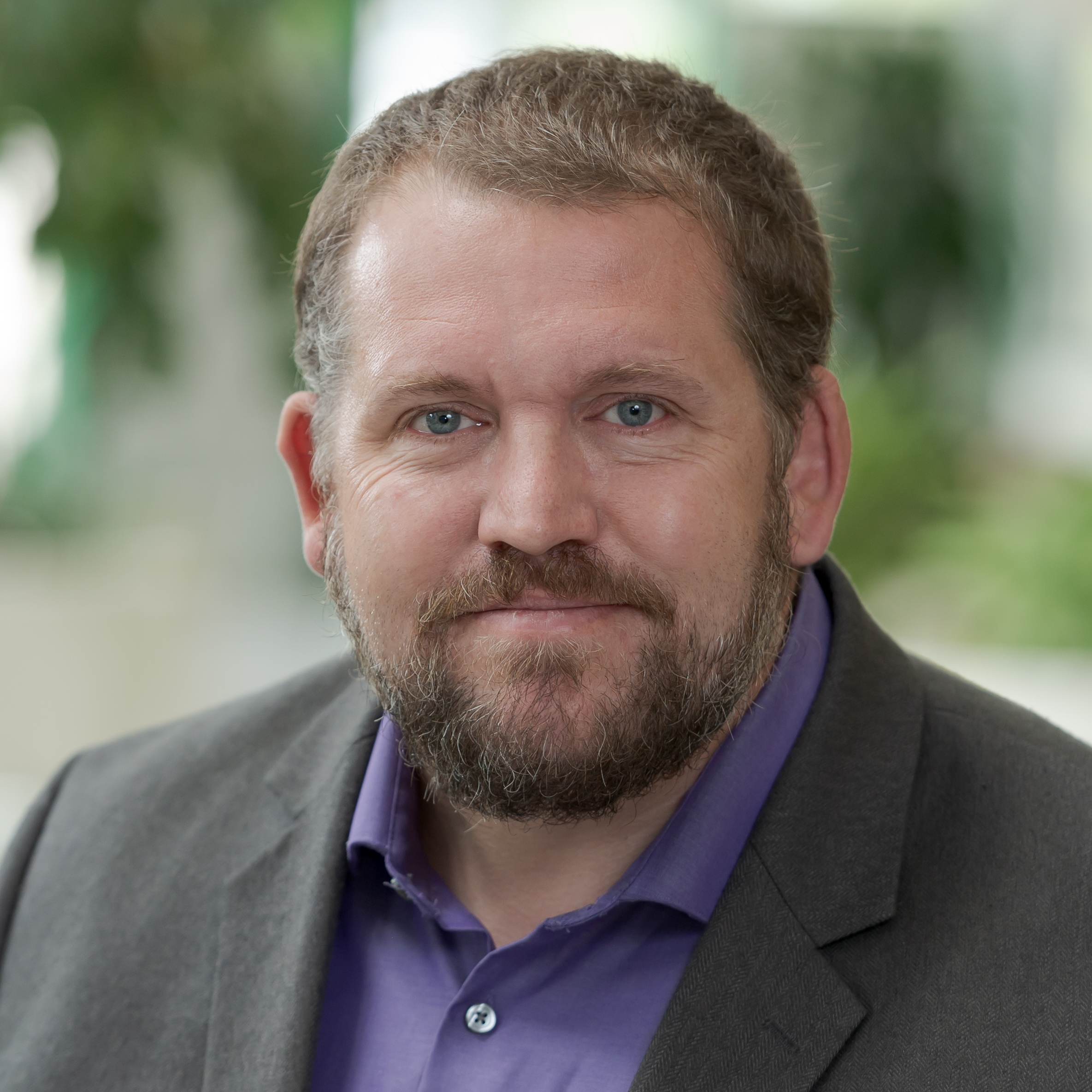
| Scott Collis | Argonne National Laboratory | TBD | Professional Website Github |
Dr. Scott Collis is an atmospheric scientist and head of the Geospatial Computing, Innovations, and Sensing (GCIS) department in the Environmental Science Division at Argonne National Laboratory and a Senior Fellow at the Northwestern Argonne Institute of Science and Engineering (NAISE). Scott’s research is at the intersection of data informatics, atmospheric science, and radar meteorology. He uses and develops open-source tools to extract geophysical insight from remotely sensed data at scale, which enables a deeper understanding of atmospheric phenomena essential for the development of next-generation climate models. Scott is the inventor of the Python-ARM Radar Toolkit (Py-ART), which is an open-source community-based architecture for interacting with weather radar data. Scott acts as a Translator for a set of the Atmospheric Radiation Measurement User Facility’s Radar systems and leads the Measurement Strategy Team for the Community Research On Climate and Urban Science (CROCUS) a Department of Energy Urban Integrated Field Laboratory.
| Instructor | Affiliation | Project Lead | Links |
|---|---|---|---|
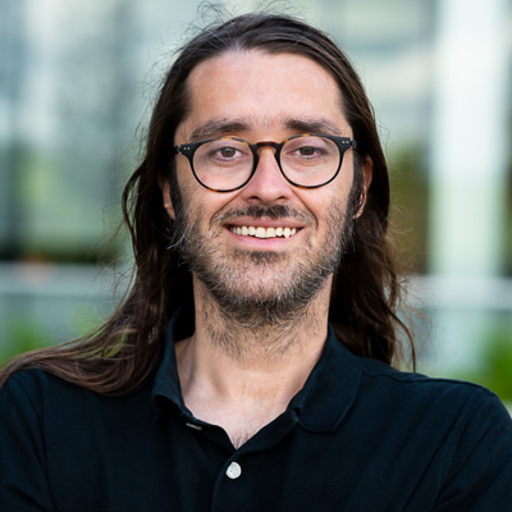
| Robert Jackson | Argonne National Laboratory | TBD | Professional Website Github |
Dr. Robert (Bobby) Jackson’s research involves using active remote sensing to create a better picture of Earth’s climate. Bobby specializes in using precipitation radars and Doppler lidars to explore the kinematics and precipitation occurring in our atmosphere. As a part of the ARM Translator group at Argonne, Bobby develops quality-controlled rainfall products from ARM Precipitation radars that are used to evaluate model simulations and explore rainfall and snowfall patterns over various regions of the Earth including Darwin, Australia, the Upper Colorado River Basin, and Bankhead National Forest. Bobby is the lead developer of a Multi-Doppler radar package PyDDA. PyDDA retrieved winds from radar networks are currently being used for Integrated Energy Systems Office’s Observationally-based Resource Assessment and Coupled Models (ORACLE) to assess how well current weather forecasting models predict extreme winds in Nor’easters.
| Instructor | Affiliation | Project Lead | Links |
|---|---|---|---|
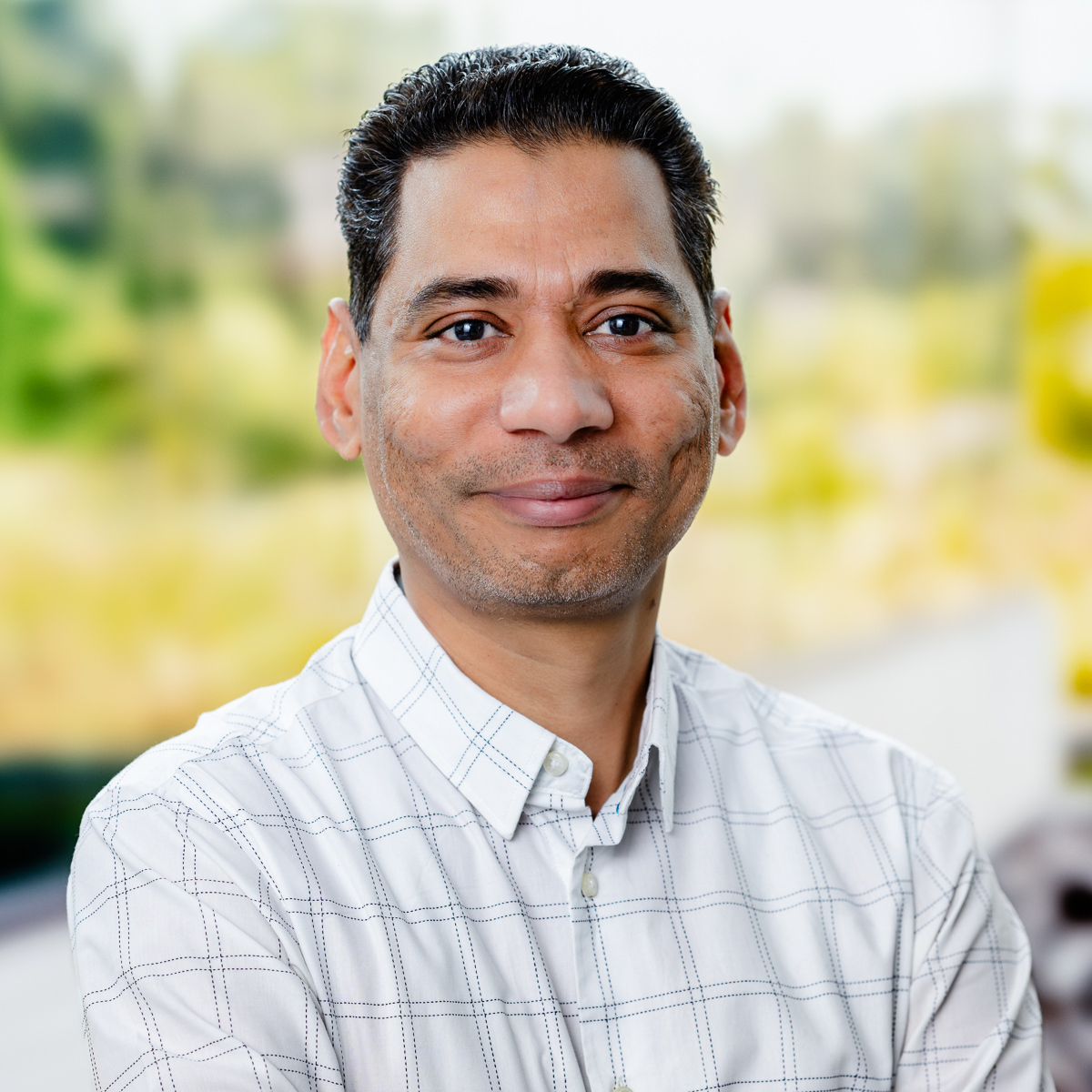
| Bhupendra Raut | Argonne National Laboratory | TBD | Professional Website Github |
Dr. Bhupendra Raut’s research focuses on improving atmospheric observations and data analysis by leveraging statistics, computer vision, artificial intelligence, and edge computing. Bhupendra is involved in the U.S. Department of Energy’s (DOE) Atmospheric Radiation Measurement (ARM) program and the Chicago Urban Flux Network, contributing to observational campaigns and value-added products, advanced radar algorithms, and adaptive sensing frameworks to quantify the spatiotemporal evolution of clouds and precipitation using multi-platform remote sensing. Bhupendra also contributes to open-source atmospheric tools including Py-ART, TINT, tobac, and ADAPT.
| Instructor | Affiliation | Project Lead | Links |
|---|---|---|---|
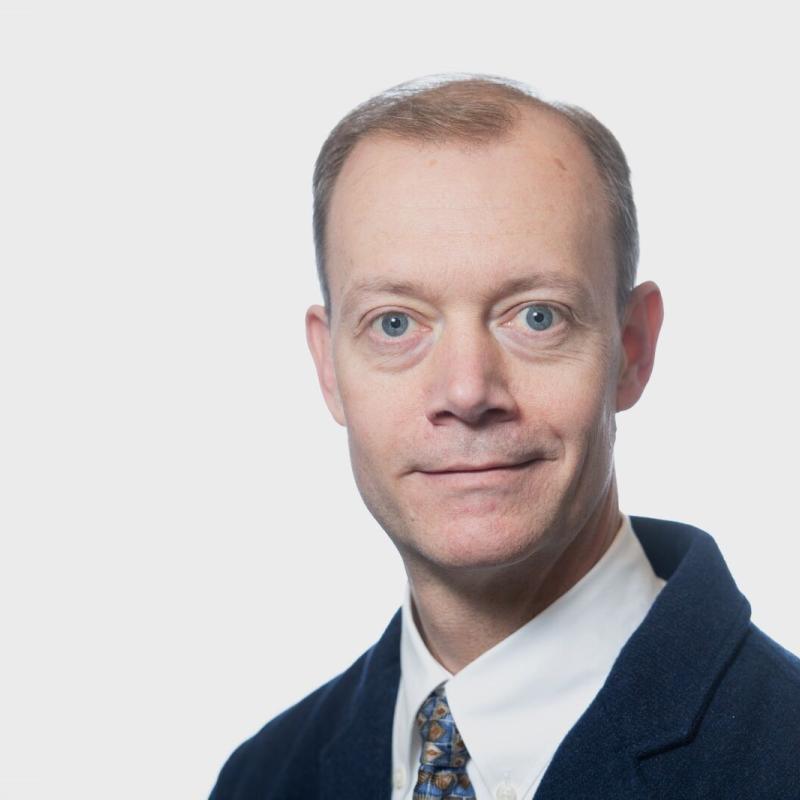
| Bill Gustafson | Pacific Northwest National Laboratory | TBD | Github |
Dr. Gustafson’s research focuses on the development and application of global atmospheric, weather, and large-eddy simulation models with emphasis on cloud parameterization, aerosol-cloud interactions, regional downscaling, and issues of scale and scale dependencies within atmospheric models. In 2010, he was awarded a U.S. Department of Energy (DOE) Early Career award to study scale adaptability of atmospheric model parameterizations. Currently, he works with the DOE Atmospheric Radiation Measurement (ARM) user facility to develop the Large-Eddy Simulation (LES) ARM Symbiotic Simulation and Observation (LASSO) activity for routine LES modeling that complements ARM’s extensive atmospheric measurement capabilities. Gustafson has contributed substantially to the development of the chemistry version of the Weather Research and Forecasting (WRF) model to advance understanding of aerosol feedbacks to clouds and radiation, and has been the principal investigator on a NOAA project studying aerosol-cloud interactions. For his dissertation work, Dr. Gustafson studied Tropical dynamics with a focus on the Madden-Julian Oscillation.
| Instructor | Affiliation | Project Lead | Links |
|---|---|---|---|
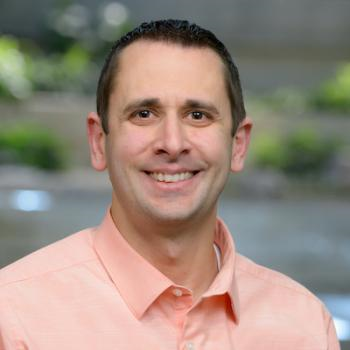
| Adam Theisen | Argonne National Laboratory | TBD | Professional Website Github |
Adam Theisen is the Instrument Operations Manager for the U.S. Department of Energy’s Atmospheric Radiation Measurement (ARM) User Facility, where he leads the strategic planning, coordination, and execution of instrument operations across ARM’s fixed and mobile observatories. He oversees a diverse portfolio of atmospheric sensing systems—including cloud and precipitation radars, lidars, radiometers, and in situ instrumentation—with an emphasis on operational reliability, calibration integrity, and data readiness. Adam serves as the lead for the Atmospheric data Community Toolkit (ACT). Previous research efforts and interest include long-term data analysis, winter weather, and polarimetric radar.
| Instructor | Affiliation | Project Lead | Links |
|---|---|---|---|
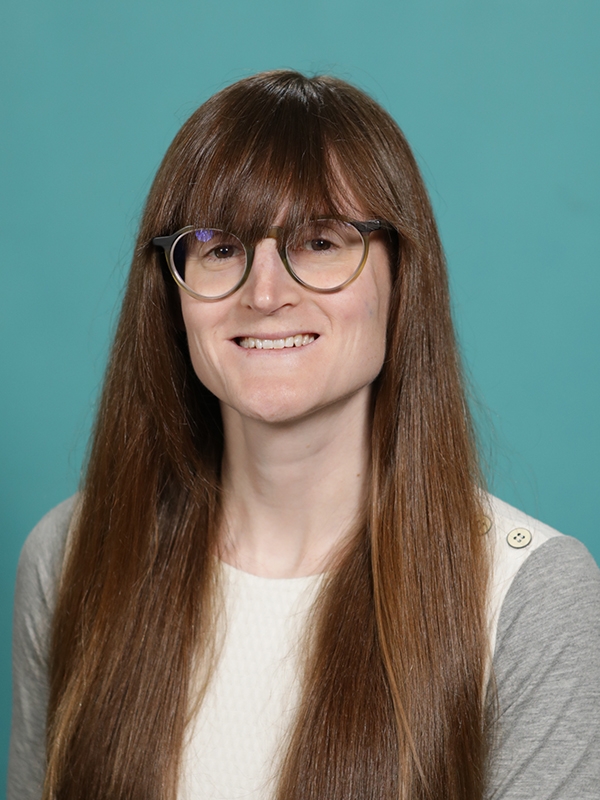
| Alyssa Sockol | University of Oklahoma/CIWRO | TBD | Github |
Alyssa works to help fulfill the main goal of the Atmospheric Radiation Measurement (ARM) user facility’s Data Quality office (DQO), which is to keep an eye on all of ARM’s weather and climate data and make sure that it is of good quality. It is important to provide the most accurate, precise, and reliable data for scientific research. The DQO accomplishes this by writing code that processes the data collected from ARM instruments and creates corresponding plots and metrics in near-real time. This makes it much easier to identify when an instrument is broken and needs to be fixed.
| Instructor | Affiliation | Project Lead | Links |
|---|---|---|---|
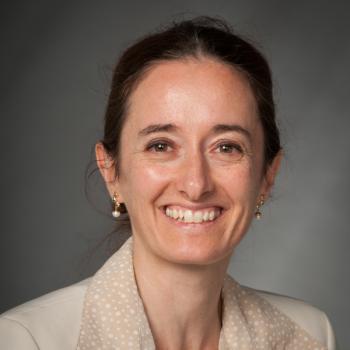
| Maria Cadeddu | Argonne National Laboratory | TBD | Professional Website |
Dr. Maria Cadeddu’s research interests are related to the application of remote sensing to study clouds and the atmosphere. Maria extensively used large dataset of ground-based and satellite observations, and have developed supervised and unsupervised machine learning/AI models. In particular, Maria uses combined ground-based passive and active sensors to improve our knowledge of the atmospheric state, clouds, and radiation. As the instrument mentor for the Department of Energy Atmospheric Radiation Measurements Program microwave radiometers, Maria’s contributions include the use of field observations to evaluate modeling of the 50-60 GHz oxygen complex and of water permittivity in supercooled clouds. Maria has pioneered the use of neural network to retrieve atmospheric water vapor and liquid water path, and developed synergistic retrievals to separate cloud and drizzle water path in drizzling marine clouds. Additional research interests include the study of water budget and turbulence in the boundary layer and the use of remote sensors to study temperature and humidty of Arctic and Antarctic boundary layer.
| Instructor | Affiliation | Project Lead | Links |
|---|---|---|---|
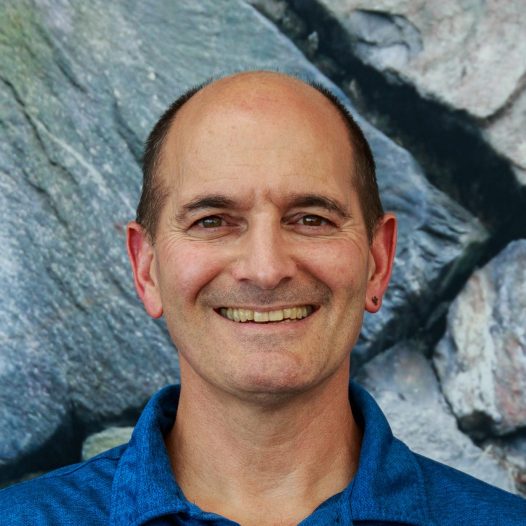
| Connor Flynn | University of Oklahoma | TBD | Github |
Dr. Connor Flynn’s research interests span a broad range from aerosols to clouds to air quality, but the connecting thread is probably sub-orbital measurements including both ground-based and airborne in situ and remote sensing. Connor is currently involved with airborne HSRL and in situ measurements, ground-based sun photometry and radiometry, surface measurements of aerosol optical, physical, and chemical properties and air quality, lidar remote sensing of smoke and dust, and ground-based retrievals of cloud properties. Connor is very interested in pushing the envelope of cloud/aerosol interactions to focus on the the low end, that is when aerosol burden is light and clouds are just forming and are thin and tenuos. These clouds are at or below the threshold of microwave and radar detection but are very common, have significant impacts on the SW and LW radiation balance, and are the origin of most clouds.
| Instructor | Affiliation | Project Lead | Links |
|---|---|---|---|
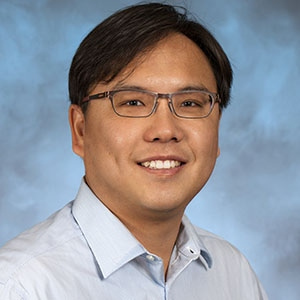
| Hsi-Yen Ma | Lawrence Livermore National Laboratory | TBD | Github |
Dr. Hsi-Yen Ma an atmospheric scientist within the Atmospheric, Earth, and Energy Division at Lawrence Livermore National Laboratory. His research interests mainly focus on clouds, precipitation, convection, and their representations in Earth system models. More broadly, his interests include Earth system modeling, dynamics of coupled atmosphere-ocean-land interactions, variability, monsoons, and application of AI techniques to improve Earth system predictions.
| Instructor | Affiliation | Project Lead | Links |
|---|---|---|---|
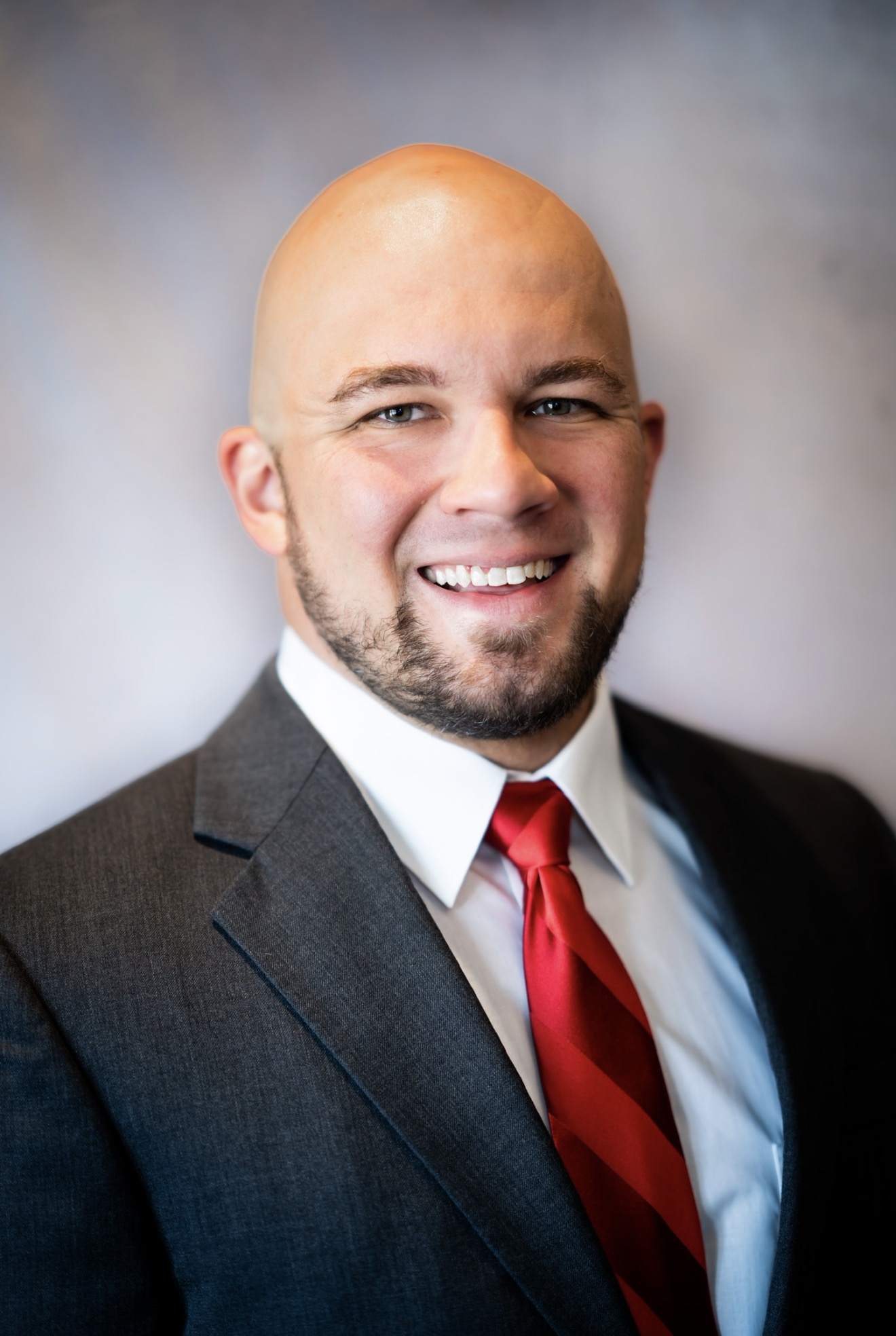
| Andrew Dzambo | Cooperative Institute for Severe and High-Impact Weather Research and Operations (CIWRO) | TBD |
Dr. Andrew Dzambo is currently a Research Scientist in the CIWRO Cloud Physics Research Group at the University of Oklahoma. Before joining OU, Andrew worked on his PhD at the University of Wisconsin, Madison, characterizing cloud and precipitation properties from the 2016-18 NASA ORACLES field campaign that took place over the southeast Atlantic Ocean. Andrew has worked on a variety of projects and field campaigns since ORACLES including the 2022 NSF ESCAPE campaign in Houston and the 2024 NSF CAESAR campaign in Kiruna, Sweden. His current research interests include exploring methodologies to better constrain uncertainty quantity-dimension relationships for use in cloud property parameterizations in weather models, mesoscale/dynamic processes that influence observed cloud macrophysical properties including gravity waves and turbulence, and polar cloud observations. A core component of Andrew’s research activities include the use of Atmospheric Radiation Measurement (ARM) program measurements from mobile deployments including RHUBC-II, MC3E and MOSAiC as well as long-term ARM site datasets such as the Southern Great Plains (SGP) and North Slope Alaska (NSA) sites.
| Instructor | Affiliation | Project Lead | Links |
|---|---|---|---|
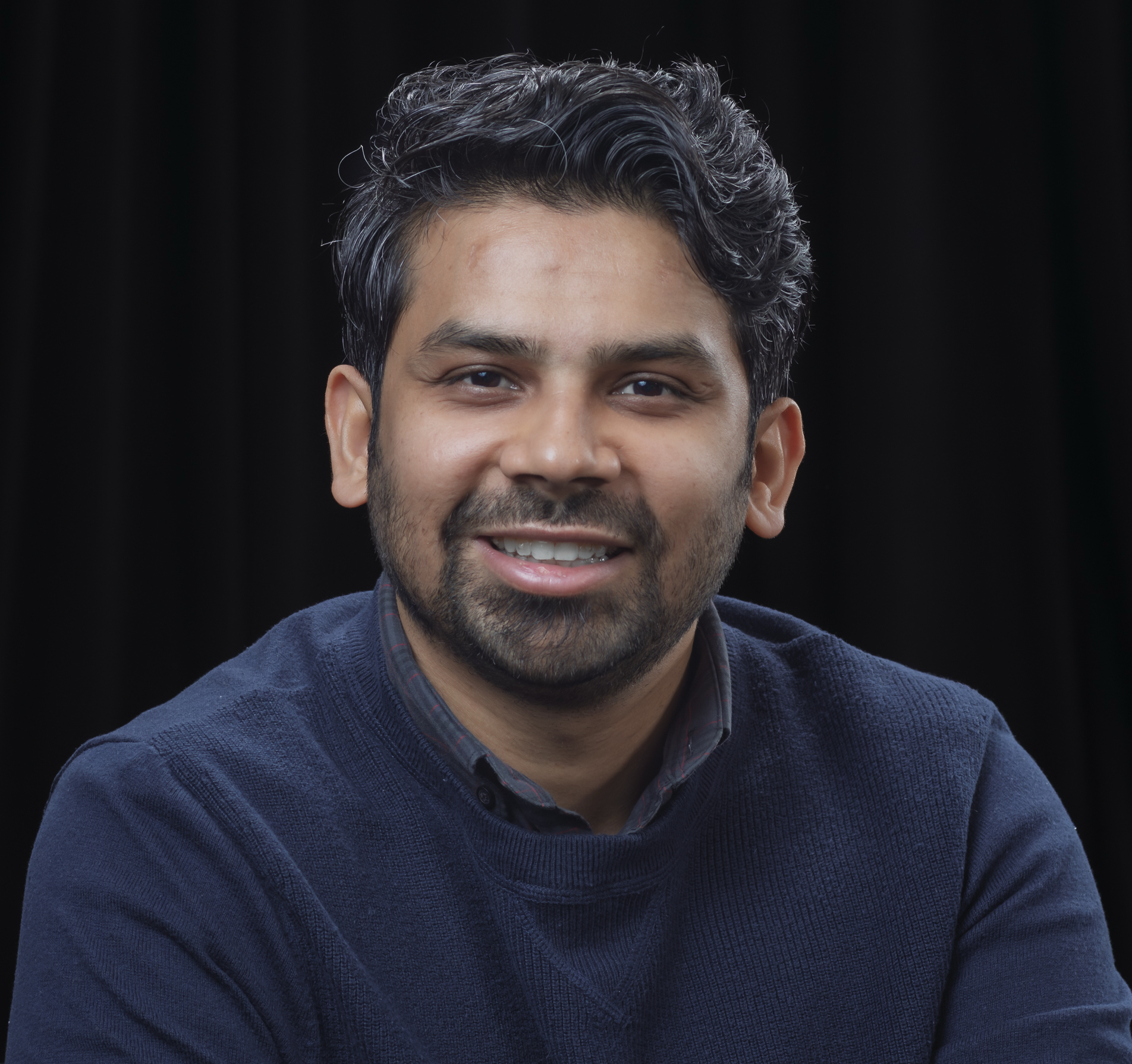
| Chirag Shah | Oak Ridge National Laboratory | TBD | Github |
Chirag Shah is an Environmental Data Science Engineer within the Environmental Sciences Division at Oak Ridge National Laboratory. He specializes in developing cutting-edge software platforms that help scientists to explore, visualize, and interact with large-scale atmospheric and environmental datasets. Chirag works on developing scientific software platforms as part of the Atmospheric Radiation Measurement User Facility Data Center. Chirag is a member of both the ARM User Tools Team and the core AI in ARM Team. In his work within ARM, he focuses on creating new infrastructures and capabilities for operationalizing AI capabilities in scientific workflows. Some of the current projects that Chirag works on are aimed at the development of more sophisticated agentic AI frameworks, improving scientific data discovery platforms, and using AI to develop tools for metadata generation, scientific data exploration, and data analysis. His areas of interest include scientific data management, distributed systems, AI and ML, cloud computing, and data visualization.
| Instructor | Affiliation | Project Lead | Links |
|---|---|---|---|
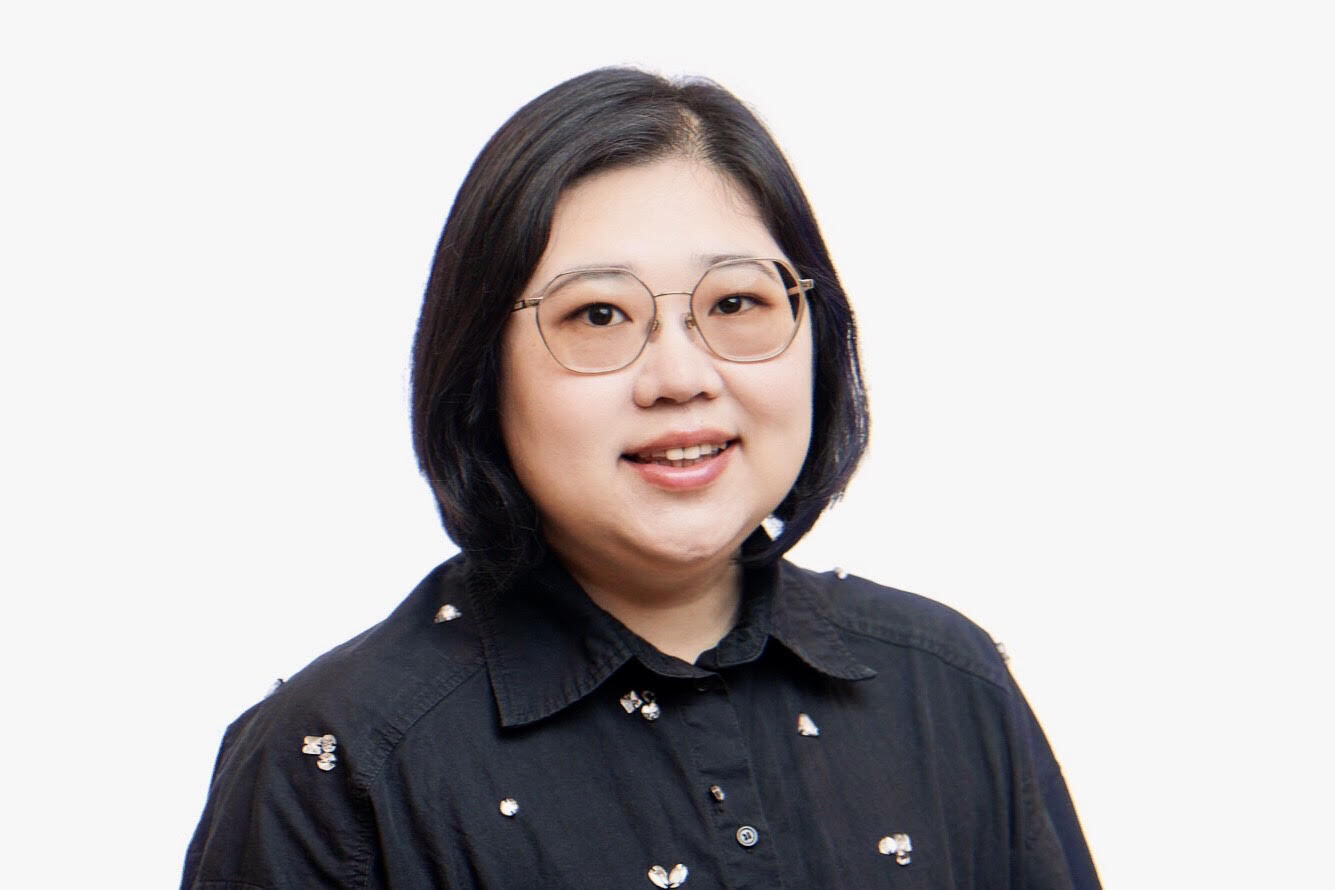
| Jingjing Tian | Pacific Northwest National Laboratory | TBD | Github |
Dr. Jingjing Tian is an Earth scientist and ARM data analyst at Pacific Northwest National Laboratory. Her research interests focus on cloud and precipitation using ground-based and satellite remote sensing observations, retrieval algorithms, and machine learning/artificial intelligence methods. She has developed and applied ARM observational datasets and AI/ML approaches to study cloud regimes and aerosol vertical distributions. Jingjing is a member of the core AI in ARM Team, where she contributes to science-focused AI governance, standards, and responsible AI/ML applications for ARM data.